Suno ji sab logon, suno ji sab logon,
Shelter ka safar zara,
Suno ji sab logon, suno ji sab logon,
30 saalon ka ye silsila.
Pune se uthi ek soch sashakt,
Samaj ke liye jo khadi hui,
Zameen se judi, logon se judi,
Sapnon ko nayi disha mili.
Mehnat, himmat aur vishwas ke saath,
Safar bana ek pehchaan,
Pratima ma’am ne jo shuruaat ki,
Aaj 30 saal ka wo abhimaan.
Suno ji sab logon, suno ji sab logon,
Shelter ka safar zara…
Raah dikhane wale saath rahe,
Har mod pe jo sambhalte rahe,
Board members ka yogdaan anmol,
Jo har faisle ko majboot kare.
Anubhav, drishti aur margdarshan se,
Safar ko mili ek raah,
Inke saath se hi Shelter ne,
Aage badhne ki pakki chah.
Suno ji sab logon, suno ji sab logon,
30 saalon ka ye silsila…
Dhanshree ma’am aur Nilima ma’am,
Har team ke saath khadi rahi,
Teams ko jodna, kaam ko jodna,
Inki soch collaborative bani.
Team se team ko paas laakar,
Associate Directors ki mehnat se,
aur Mazboot bana har aadhaar.
Suno ji sab logon, suno ji sab logon,
Shelter ka safar zara…
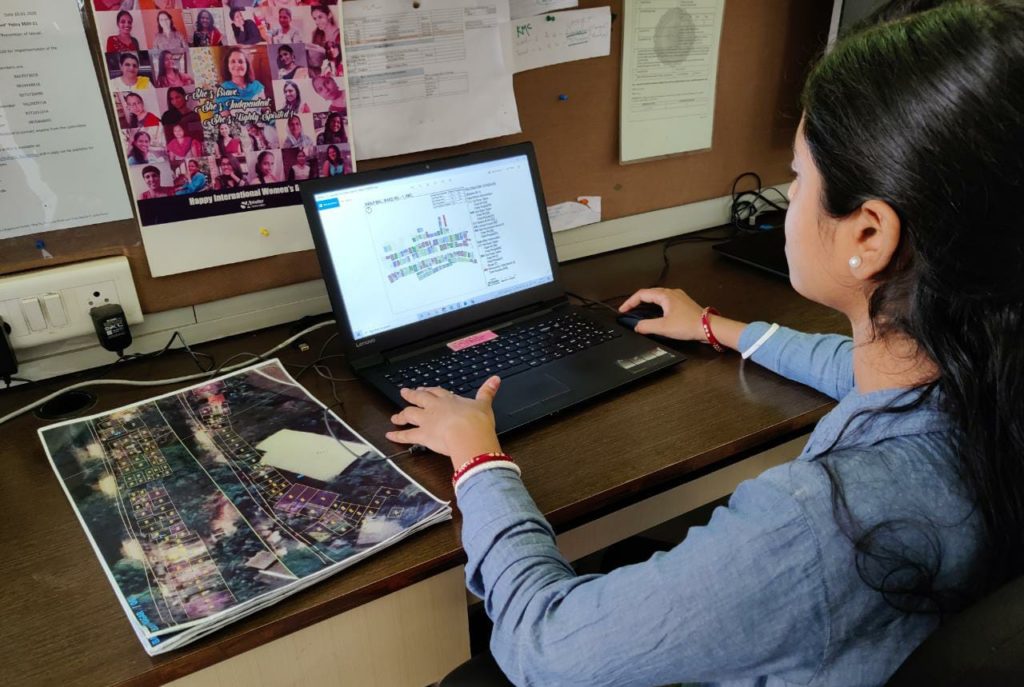
Map mein dikhe har ek sach,
Data bole, layers samjhaaye,
GIS team ki samajhdaari se,
Har planning sahi disha paaye.
Ground se system tak ka safar,
GIS karta hai aasaan,
Decision lene ki buniyad mein,
GIS ka yogdaan mahaan.
Suno ji sab logon, suno ji sab logon,
30 saalon ka ye silsila…
Accounts aur HR dono saath,
System ka majboot sahaara,
Funds sambhaalna, log sambhaalna,
Dono ka role hai pyaara.
Planning ho ya people ka khayal,
Har cheez rakhein balance mein,
In dono teams ki wajah se,
Shelter chalta hai confidence mein.
Architects ki team sapnon ko,
Design aur planning se roop deti hai,
Sirf structures nahi, logon ke liye,
Surakshit aur behtar jeevan bunati hai.
Digital management team ke saath,
Shelter ki kahani logon tak beh jaati hai,
Digital media ke panno par,
Shelter ki mehnat roshni ban jaati hai.
Suno ji sab logon, suno ji sab logon,
Shelter ka safar zara…
Pune ki field team aage badhe,
JICA ka sapna saath liye,
Basti-basti, ghar-ghar jaakar,
Umeedon ke deep jala diye.
Zameen pe rehkar kaam jo hota,
Uska sach sabko dikhaaye,
Pune team ki lagan se hi,
Badlaav zameen pe nazar aaye.
Kolhapur team ne kar dikhaya,
Bondre Nagar bana misaal,
Ab Ichalkaranji ki ore kadam,
Housing ka sapna aage badha,
Har parivaar ko ghar mile,
Yahi hai Shelter ki dua.
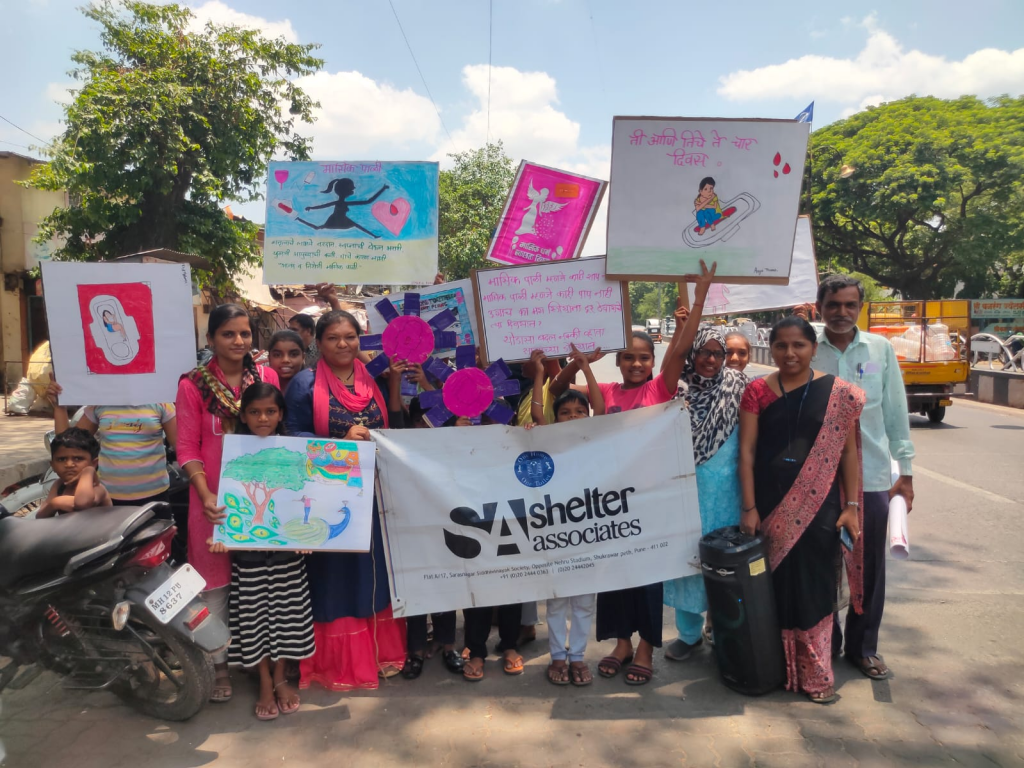
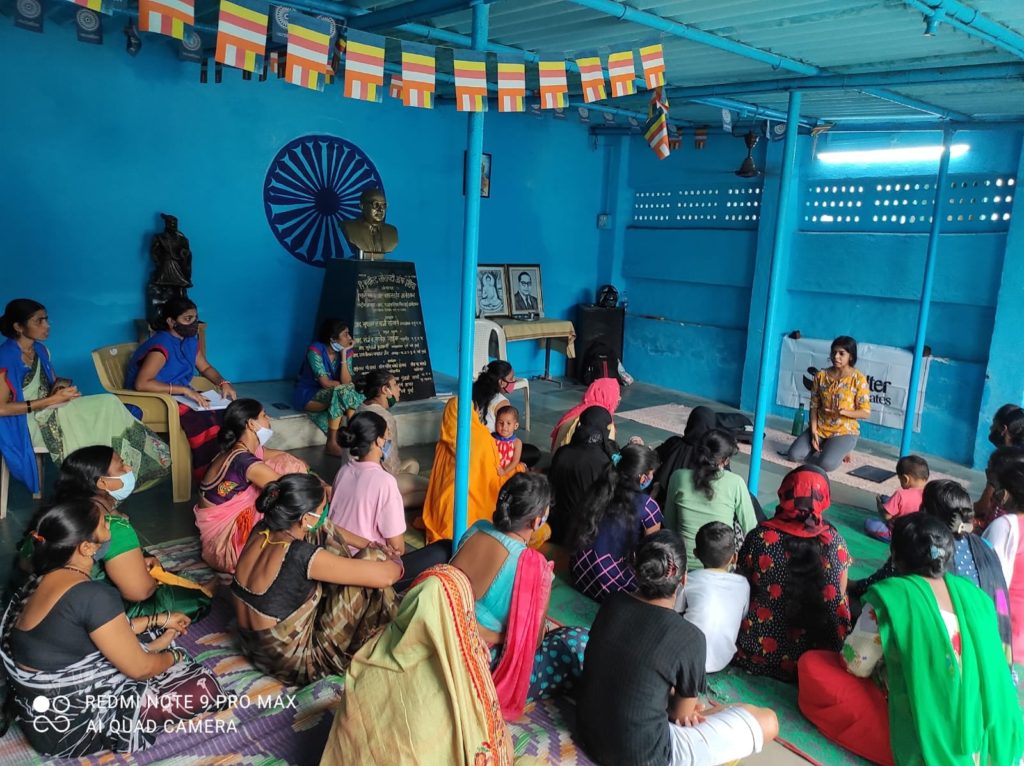
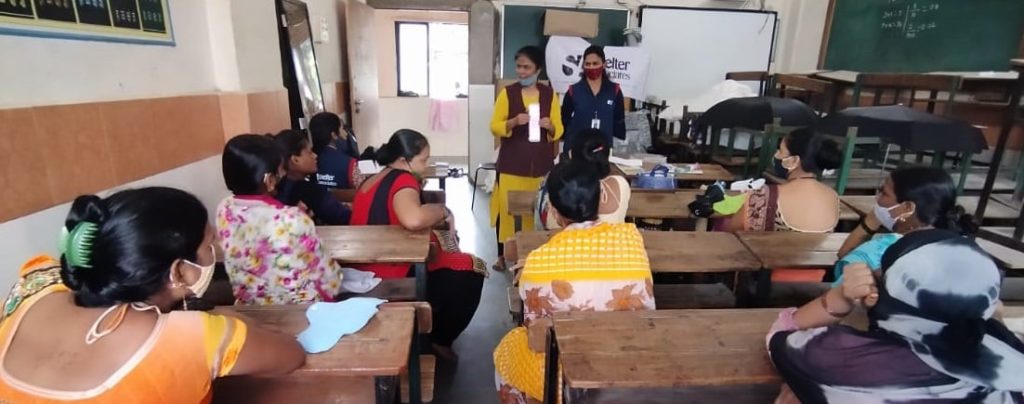
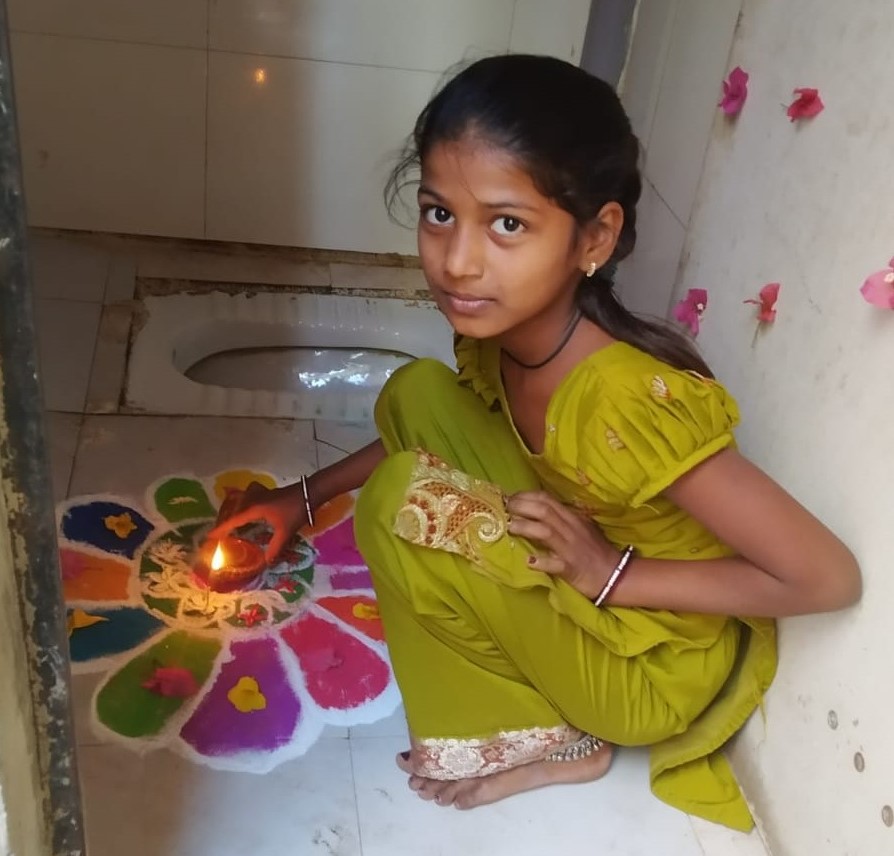
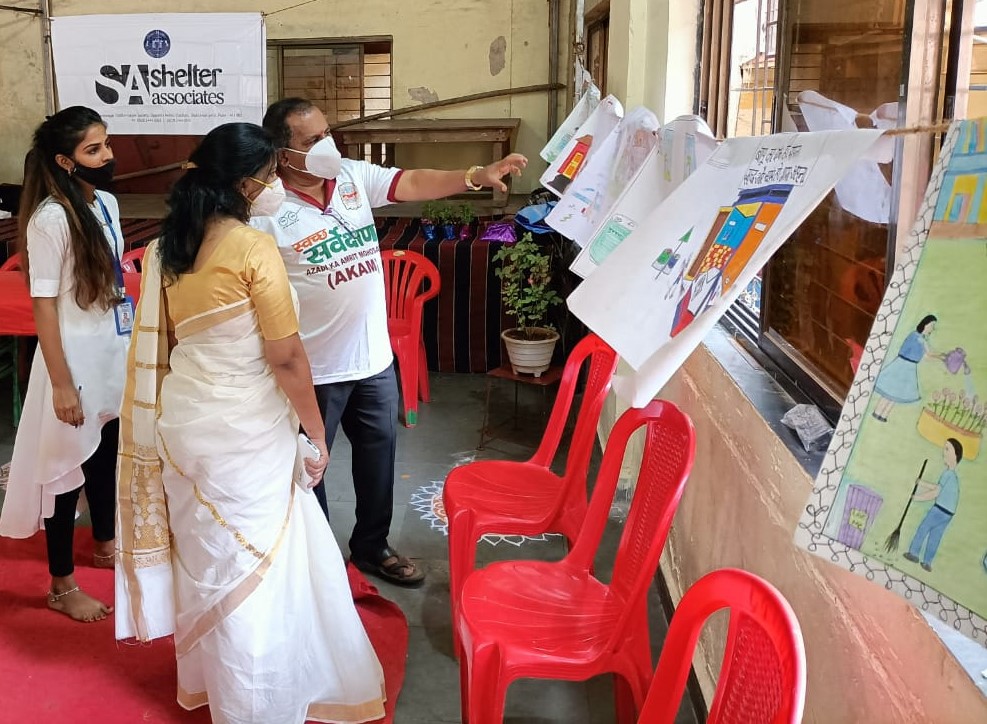
Mumbai–Thane ki team niraali,
Swachhta ka deti gyaan,
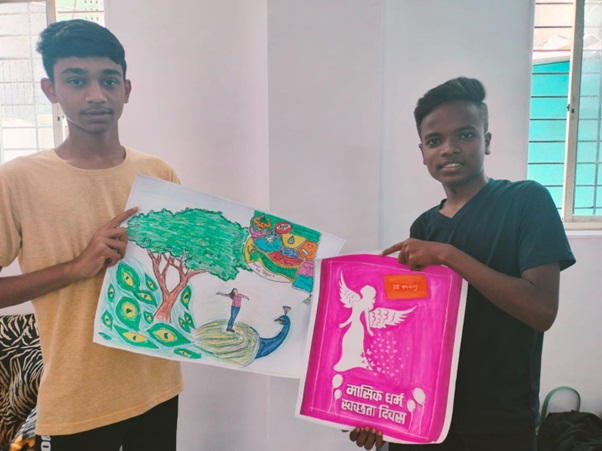
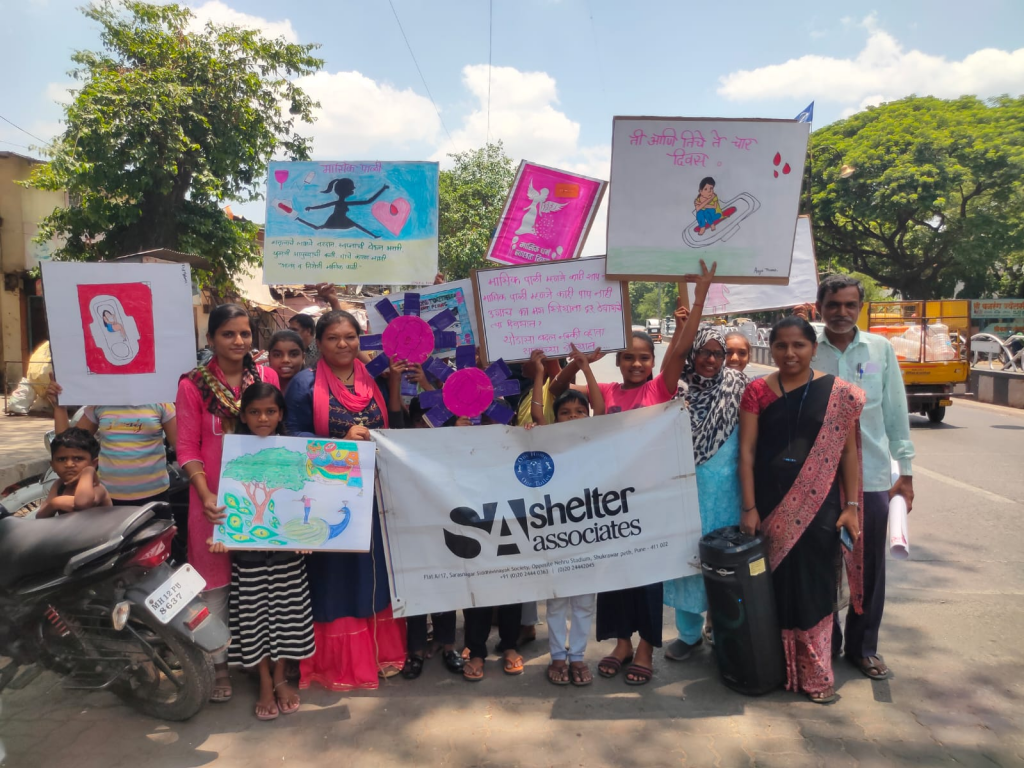
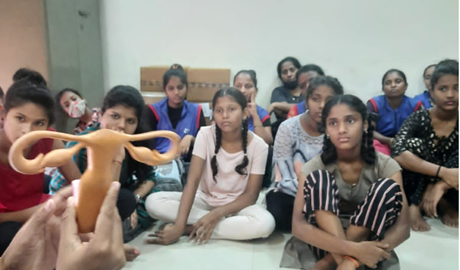
Sanitation, menstrual hygiene se,
Badal rahi soch, badhta sammaan.
UP ka shehar-shehar survey apna,
Survey se sach ko laaye,
Zameen se lekar report tak,
Har kahani saamne aaye.
Har shehar, har project mein,
Shelter ka kaam bolta jaata hai,
basti se shehar tak ke safar mein,
Badlaav nazar aata jaata hai.
Suno ji sab logon, suno ji sab logon,
Shelter ka safar zara…
Logon se logon ko jode,
Samvaad se rishte gadhe,
Mobilization ki mehnat se,
Har awaaz ko hausla mile.
Admin team ka saath jab ho,
Kaam ka flow bana rehta hai,
Aur Samina didi ki mehnat se,
Office ghar jaisa lagta hai.
Chhoti-badi har zarurat mein,
Chupchaap saath nibhaaye,
Inke bina ye safar mushkil,
Par ye sab kuch aasaan banaaye.
Suno ji sab logon, suno ji sab logon,
30 saalon ka ye silsila…
Aur aakhir mein meri bhi ek chhoti si baat,
Zameen se aaye data ko,
Digital roop mein sajana mera kaam saath,
Data collection tool aur website ke zariye,
Information, visuals aur reports sab tak pahunchana — bas itna sa kaam mera yahaan.
To taali ho jaaye sabke liye,
Jo har din mehnat karte hain,
30 saal poore, 31ve mein kadam,
Shelter Associates sirf chal nahi rahe — disha bana rahe hain.
Suno ji sab logon, suno ji sab logon,
Shelter ka safar zara,
30 saal ki buniyad par khada,
31va saal — naye sapnon ka darwaaza
– Vrundavan Sonje
Software Developer, Shelter Associates